
Scale Trust Across Domains
Empower business users to confidently own their data without sacrificing central governance and reliability.






Enable Decentralized Ownership without Losing Control
Sifflet supports enterprise operating models by establishing clear data contracts and accountability, enabling domain teams to own data quality without central bottlenecks.
- Route incidents automatically to the specific domain team responsible for the data, eliminating triage time spent by central teams lacking context.
- Empower business users with role-based access and incident-centric alerting to manage their own data health.
- Embed guardrails directly into domain workflows with declarative "Trust-as-Code" policies.
End-to-End Visibility Across the Mesh
Give every team a shared, trusted view of data flows. Sifflet provides cross-domain lineage visibility to end arguments about transformation logic and ownership.
- Visually trace column-level lineage between different assets to instantly understand downstream impact when something breaks.
- Enable self-service discovery so any team can securely see the provenance of the data they consume.
- Provide data consumers with Data Product Health Scores to ensure data is safe to use across domain boundaries.
Sifflet’s AI Helps Us Focus on What Moves the Business
What impressed us most about Sifflet’s AI-native approach is how seamlessly it adapts to our data landscape — without needing constant tuning. The system learns patterns across our workflows and flags what matters, not just what’s noisy. It’s made our team faster and more focused, especially as we scale analytics across the business.


"Enabler of Cross Platform Data Storytelling"
"Sifflet has been a game-changer for our organization, providing full visibility of data lineage across multiple repositories and platforms. The ability to connect to various data sources ensures observability regardless of the platform, and the clean, intuitive UI makes setup effortless, even when uploading dbt manifest files via the API. Their documentation is concise and easy to follow, and their team's communication has been outstanding—quickly addressing issues, keeping us informed, and incorporating feedback. "

"Building Harmony Between Data and Business With Sifflet"
"Sifflet serves as our key enabler in fostering a harmonious relationship with business teams. By proactively identifying and addressing potential issues before they escalate, we can shift the focus of our interactions from troubleshooting to driving meaningful value. This approach not only enhances collaboration but also ensures that our efforts are aligned with creating impactful outcomes for the organization."

" Sifflet empowers our teams through Centralized Data Visibility"
"Having the visibility of our DBT transformations combined with full end-to-end data lineage in one central place in Sifflet is so powerful for giving our data teams confidence in our data, helping to diagnose data quality issues and unlocking an effective data mesh for us at BBC Studios"

"Sifflet allows us to find and trust our data"
"Sifflet has transformed our data observability management at Carrefour Links. Thanks to Sifflet's proactive monitoring, we can identify and resolve potential issues before they impact our operations. Additionally, the simplified access to data enables our teams to collaborate more effectively."

"A core component of our data strategy and transformation"
"Using Sifflet has helped us move much more quickly because we no longer experience the pain of constantly going back and fixing issues two, three, or four times."

Discover more title goes here

What is Data Governance? Definition, Benefits, and Best Practices
Discover how data governance offers value beyond compliance: what it is, why it matters, and best practices for implementation.
What Is Data Lineage?
Data lineage is the path your data follows. It is indispensable for data teams to manage change, solve issues, and uphold compliance. And we’ll tell you how it works.
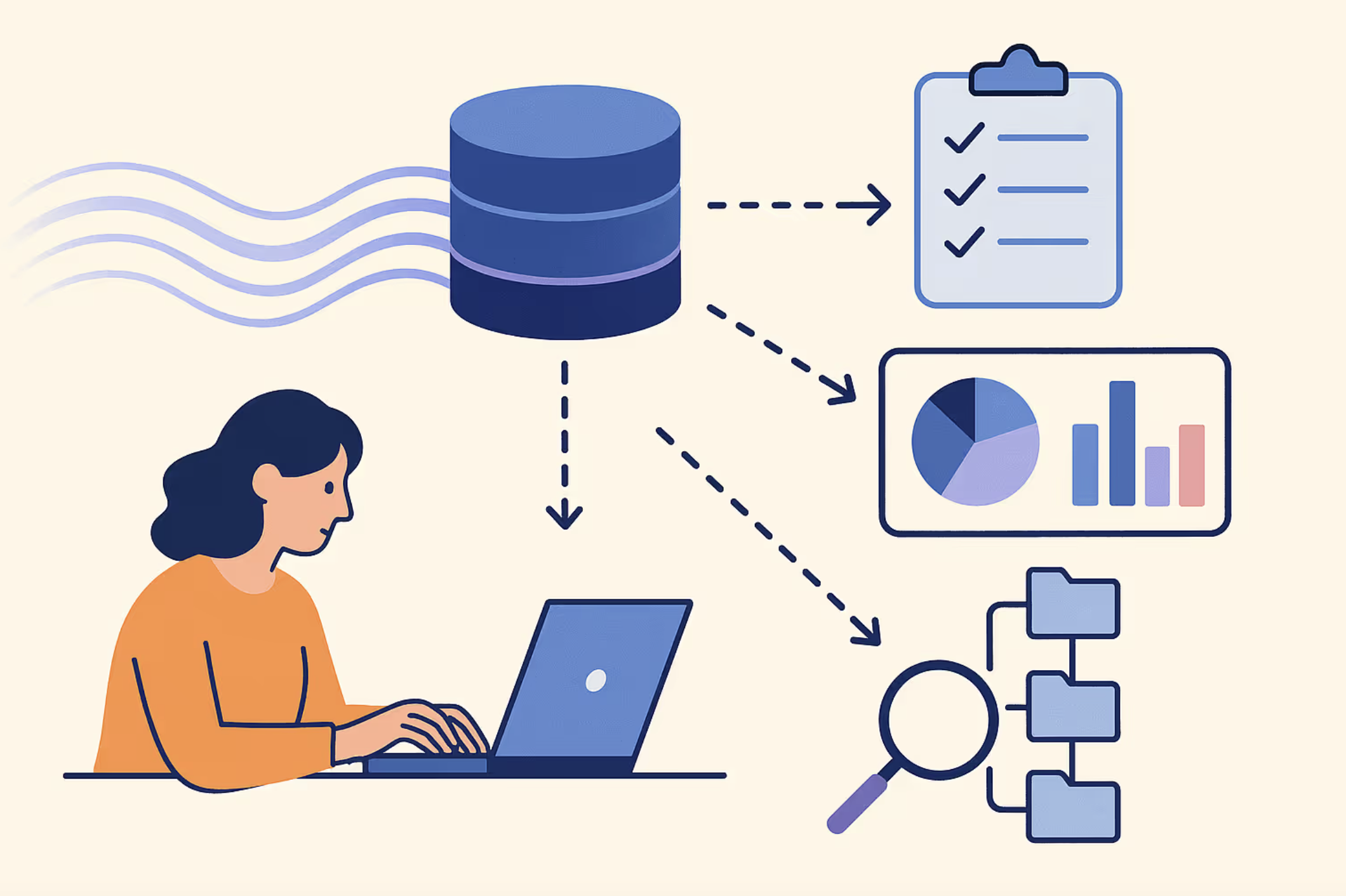
Scale Your Data Observability: 3 Strategic Ways to Leverage Sifflet's Data Sharing
Go Beyond Monitoring: Integrate Observability Data for Stronger Governance, Custom Reporting, and Optimized Data Assets Management
Frequently asked questions
Yes, Sifflet leverages AI to enhance data observability with features like anomaly detection and predictive insights. This ensures your data systems remain resilient and can support advanced analytics and AI-driven initiatives. Have a look at how Sifflet is leveraging AI for better data observability here








-p-500.png)
